
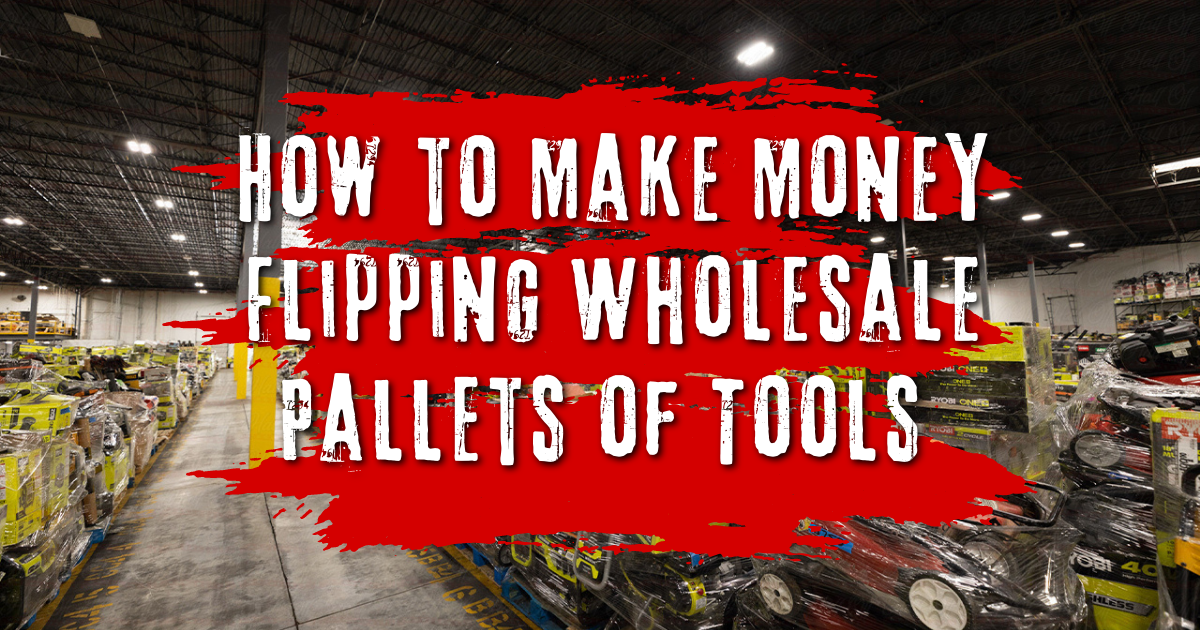
How to Make Money Flipping
Wholesale Pallets of Tools
Are you looking for a creative way to make some extra money?
Have you ever thought about flipping wholesale pallets of tools? This type of business venture is becoming increasingly popular, and it can be very profitable if done correctly. In this blog post, we’ll discuss three different methods you can use to make money flipping wholesale pallets of tools. We’ll go over how to source the best tools, the best strategies for selling them, and the most lucrative ways to make a profit. Read on to learn more about how to make money flipping wholesale pallets of tools.
Look for Quality Tools
When looking to flip wholesale pallets of tools, it is important to make sure you are purchasing high-quality tools. Low-quality tools may not be profitable in the long run, as they may need to be replaced more often or customers may not be willing to pay a premium for them.
To ensure you are getting quality tools, it is essential to examine the pallets in person, if possible. This will allow you to inspect the condition of the tools and check for any signs of wear and tear. If you are unable to inspect the pallets yourself, ask for detailed photographs or other evidence that the tools are in good condition.
It is also important to research the brand of tools you are purchasing. Research the company’s history and reviews, as well as their customer service and warranty policies. Knowing these things ahead of time will help you identify reliable and trustworthy brands.
Finally, ensure you have knowledge about the types of tools you are purchasing. You should familiarize yourself with the different types of tools available and understand how they are used. This will help you identify quality tools and determine if they are a good investment.
Check for Customer Demand
When it comes to flipping wholesale pallets of tools, it is important to research the customer demand for the items you are selling. Knowing what type of tools people are looking for and what they are willing to pay will help you maximize your profits. Start by looking at what other sellers are offering. Look at their product descriptions, pricing, and any other information that may be relevant. This will give you an idea of what customers are expecting in terms of quality, price range, and features.
Next, look for reviews or comments from customers who have purchased similar items. Take note of what customers like and don’t like about the products they purchased. This information can help you determine whether there is a market for the tools you have acquired. Finally, explore online marketplaces such as eBay, Amazon, and Craigslist to find out what prices people are paying for the same or similar items. With this knowledge in hand, you can then set a competitive price that will attract buyers and maximize your profits.
Research Your Prices
Before you purchase any pallets of tools, it is essential that you take the time to research the current market value of each product. Knowing the prices of similar tools being sold in your area will help you to determine how much you should pay for the pallet and how much you should sell it for. Start by looking online at different websites, such as eBay or Amazon, to compare prices. You should also check your local retailers, such as hardware stores and home improvement centers, to get an idea of what prices they charge.
When researching prices, make sure you are taking into account all costs associated with the sale of the pallet. This includes shipping costs, taxes, and any fees for handling or processing the sale. When you have all of this information, you can calculate the total cost and determine if the deal is worth it. Once you have determined a fair price, make sure to include a profit margin when setting your selling price.
With proper research and planning, you can make a significant profit from flipping wholesale pallets of tools. By following these simple steps, you can ensure that you are making informed decisions about your purchases and sales. With a bit of time and effort, you can start to generate a steady income through flipping pallets of tools.
Vet Your Wholesale Supplier
It is important to take the time to vet your wholesale supplier before you make any major purchases. Finding a reputable wholesaler who offers quality tools at competitive prices can help ensure your success in flipping pallets of tools.
When vetting potential wholesalers, there are several key factors to consider. First, investigate their customer service and return policies. Ask if they offer refunds or replacements for defective or damaged items. Additionally, ask about delivery times, shipping costs, and payment options. A good wholesaler will be transparent about their policies and willing to answer all of your questions.
Next, take the time to read reviews of the supplier online. Pay special attention to reviews related to quality, pricing, customer service, and overall satisfaction. Positive reviews from satisfied customers can give you an idea of how reliable the supplier is. Finally, look for opportunities to compare prices with other wholesalers. This will help you find the best deal and ensure you are getting the most value for your money. Don’t forget to factor in taxes and fees when calculating total cost.
By taking the time to vet your wholesale supplier, you can rest assured that you are getting quality tools at competitive prices. This can help you maximize your profits and ensure that you have a successful venture in flipping pallets of tools.
Final Thoughts
Flipping wholesale pallets of tools presents a profitable opportunity for resellers and retailers. By prioritizing quality, researching customer demand, setting competitive prices, and vetting wholesale suppliers, they can maximize profitability. Emphasizing high-quality tools attracts customers and ensures long-term success. Understanding market demand allows for strategic pricing that appeals to buyers willing to pay a premium. Thorough research of market prices and associated costs enables resellers and retailers to set optimal selling prices. Vetting suppliers guarantees access to reliable sources of quality tools at competitive prices. By implementing these strategies, resellers and retailers can unlock a lucrative income stream through flipping wholesale pallets of tools.